What Makes Scottsdale Real Estate So Resilient Over Time
The real estate conversation often shifts with headlines—interest rates rise, inventory tightens or expands, and national trends dominate the news cycle. Yet time and again, one market quietly demonstrates consistency, adaptability, and long-term strength: Scottsdale.
From sprawling desert estates tucked against mountain preserves to thoughtfully planned single-family neighborhoods and refined luxury residences, Scottsdale’s real estate market is remarkably diverse. That diversity is not accidental—it’s a foundational reason the market has proven resilient through economic shifts, housing cycles, and changing buyer behavior.
This article explores why Scottsdale continues to perform over time, not just during strong markets, but through transitions as well. Whether you own a home, are considering selling, or simply want a deeper understanding of what makes this market different, the goal here is to provide clarity, perspective, and context—without hype or fear-driven narratives.
A Market Built on Long-Term Vision, Not Short-Term Trends
One of Scottsdale’s defining characteristics is that it has never been a “flash-in-the-pan” market. City planning, zoning decisions, infrastructure investment, and preservation efforts have unfolded over decades—not years. That long-term vision has shaped neighborhoods with lasting appeal rather than areas built solely to chase short-term demand.
Scottsdale’s leadership historically emphasized:
- Thoughtful zoning and development standards
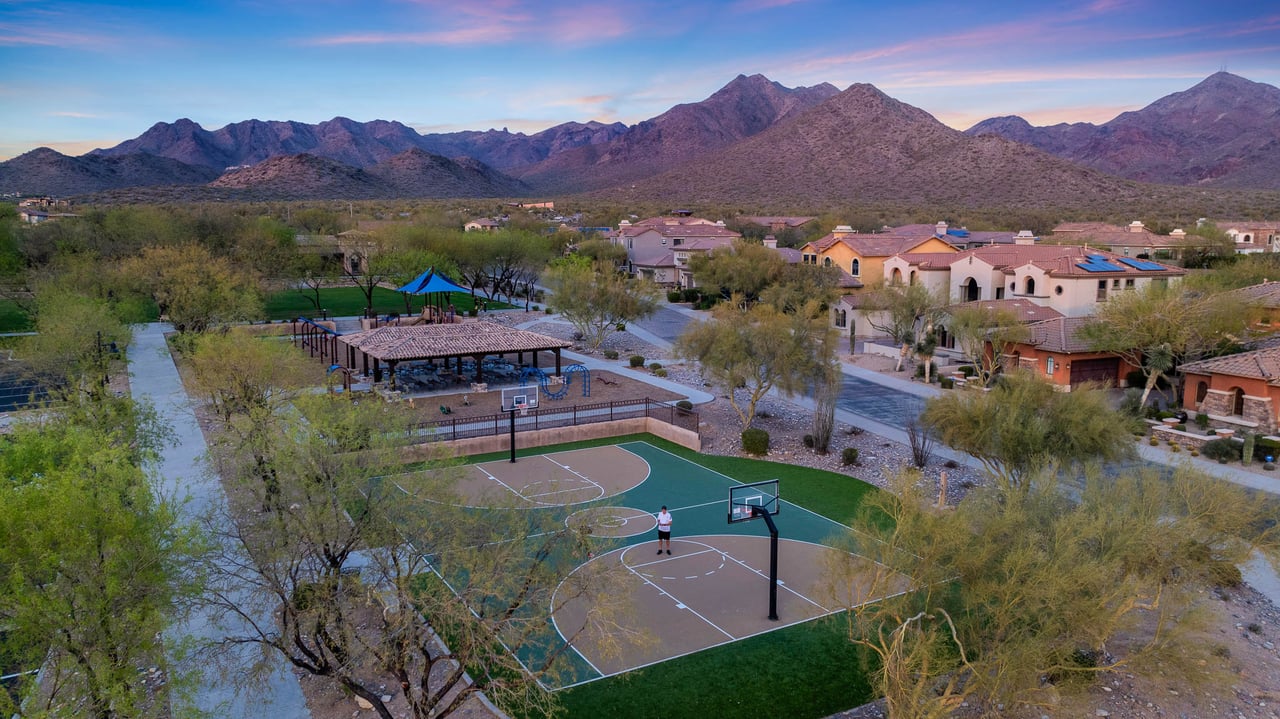
- Preservation of desert landscapes and mountain views
- Master-planned communities with cohesive design
- Balanced commercial and residential growth
This approach has created neighborhoods that age well. Streetscapes remain attractive, communities retain identity, and homes—whether entry-level or estate-level—benefit from an environment designed for longevity.
When markets adjust nationally, places built on fundamentals rather than speculation tend to fare better. Scottsdale consistently proves that point.
Geographic Boundaries That Protect Long-Term Value
Unlike many cities that expand outward indefinitely, Scottsdale is naturally constrained by geography and conservation efforts. Mountain ranges, desert preserves, and protected land limit unchecked sprawl. As a result, new housing supply is more controlled—and that has meaningful implications for value stability.
Key geographic realities include:
- Mountain preserves that permanently restrict development
- Established neighborhoods with little remaining infill
- New construction requiring higher standards and costs
- A finite amount of truly premium land
This doesn’t mean prices never adjust—it means supply rarely overwhelms demand. Over time, markets with limited land and desirable settings tend to recover faster and hold value more consistently.
A Broad Range of Housing Options Creates Stability
Scottsdale’s housing mix is one of its greatest strengths. The market includes:
- Condominiums and townhomes
- Traditional single-family residences
- Gated communities and custom homes
- Large luxury estates and architectural showpieces
Because the market isn’t dependent on a single price segment, it can adapt as conditions change. When one category slows, another often remains active. This layered structure prevents the sharp swings seen in markets dominated by one housing type.
For homeowners, that diversity translates into resilience—especially when pricing strategies and preparation align with current conditions.
Lifestyle Demand That Extends Beyond Housing Cycles
People don’t choose Scottsdale solely because of a spreadsheet. They choose it for the lifestyle—and lifestyle-driven markets behave differently than necessity-driven ones.
Scottsdale offers:
- Year-round outdoor living
- Renowned golf and recreation
- Hiking, biking, and preserved desert access
- Dining, wellness, and cultural amenities
- A climate that encourages daily use of outdoor spaces
Homes here aren’t just places to live; they’re platforms for a lifestyle. That distinction matters. When housing demand is tied to lifestyle value, not just affordability or job proximity, interest tends to persist—even when national sentiment cools.
Pride of Ownership and Property Care Matter
Drive through established Scottsdale neighborhoods and one thing becomes clear: homeowners take pride in their properties. Landscaping, exterior maintenance, and thoughtful updates are common across many communities.
This culture of care contributes directly to market resilience by:
- Supporting neighborhood aesthetics
- Preventing visible decline during slower markets
- Helping homes remain competitive over time
- Reinforcing buyer confidence
Well-maintained housing stock is one of the quiet advantages that doesn’t show up in headlines—but plays a powerful role in value retention.
Why Scottsdale Doesn’t React the Same Way as Other Markets
Every housing market responds differently to change. Scottsdale’s response tends to be measured rather than extreme. Instead of dramatic booms and busts, the market often experiences:
- Price adjustments rather than collapses
- Slower pacing instead of demand disappearance
- Increased importance of condition and presentation
- Greater emphasis on pricing strategy
This behavior reflects a market grounded in long-term ownership and thoughtful decision-making. Homes still sell. Activity continues. The conversation simply becomes more nuanced.
Luxury Presence Elevates the Entire Market
Luxury real estate plays a meaningful role in Scottsdale’s overall stability. High-end properties often represent a significant share of total market value, and their presence helps:
- Anchor neighborhood prestige
- Attract continued investment
- Encourage high construction and renovation standards
- Support long-term desirability
Importantly, luxury markets often move on different timelines than entry-level housing. That diversity helps smooth broader market fluctuations.
Architecture That Ages Gracefully
Another underappreciated factor in Scottsdale’s resilience is architecture. Many homes—especially in established and custom neighborhoods—were designed with enduring materials, desert-adapted layouts, and indoor-outdoor flow that remains relevant decades later.
Homes that age well require fewer drastic updates to remain appealing. That reduces obsolescence risk and helps owners maintain competitiveness regardless of market conditions.
Market Shifts Reward Preparation, Not Panic
When conditions change, Scottsdale rewards homeowners who focus on preparation rather than reaction. This includes:
- Understanding neighborhood-specific trends
- Investing in presentation and maintenance
- Pricing with precision rather than optimism
- Timing decisions based on goals, not headlines
Resilient markets don’t eliminate the need for strategy—they amplify it.
Long-Term Ownership Patterns Support Stability
Scottsdale has a high percentage of long-term owners. Many homeowners remain in their properties for extended periods, which:
- Reduces speculative turnover
- Limits forced selling during downturns
- Encourages thoughtful upgrades
- Creates continuity within neighborhoods
This long-term ownership mindset contributes to market steadiness, particularly during periods of uncertainty.
Infrastructure and Amenities Continue to Evolve
Resilience also depends on forward momentum. Scottsdale continues to invest in:
- Roadways and transportation
- Public spaces and trail systems
- Dining, retail, and mixed-use developments
- Healthcare and wellness facilities
Ongoing improvement reinforces desirability—and markets that improve over time tend to remain relevant.
What Resilience Means for Homeowners Today
Resilience doesn’t mean prices never change. It means:
- Adjustments are typically measured
- Demand remains present
- Well-positioned homes continue to perform
- Long-term outlook remains positive
For homeowners, this creates opportunity—not pressure. Whether the goal is to sell, reposition, or simply understand value, clarity matters more than timing perfection.
The Role of Local Expertise in a Nuanced Market
In a market as layered as Scottsdale, local knowledge makes a difference. Neighborhood dynamics, micro-trends, and pricing sensitivity vary widely from one area to another. Understanding those nuances helps homeowners:
- Avoid overpricing or underpricing
- Identify meaningful improvements
- Choose the right timing window
- Navigate transitions with confidence
Resilient markets reward informed decisions.
Looking Ahead: Why Scottsdale’s Story Continues
Scottsdale’s resilience isn’t accidental. It’s the result of geography, planning, lifestyle appeal, architectural longevity, and a culture of ownership. Markets may shift—but fundamentals endure.
For homeowners and future sellers, understanding why Scottsdale behaves the way it does is empowering. It allows decisions to be made from a place of confidence rather than reaction.
Final Thoughts
Real estate markets come and go—but places built with intention stand the test of time. Scottsdale has repeatedly shown that its value isn’t tied to a single moment or trend. It’s rooted in a way of living, thoughtful development, and a long-term vision that continues to resonate.
If you’re considering a move—now or in the future—having a clear understanding of how your specific home and neighborhood fit into today’s Scottsdale market is essential.
For individualized guidance, market insight, and a strategy tailored to your property and goals, connect with Jeff Barchi. Visit www.HomeSellerArizona.com to start the conversation.