Every year, something special happens across the Greater Phoenix area as winter begins to fade across the rest of the country. Baseball fans start arriving from every direction—Chicago, Seattle, Los Angeles, Denver, Milwaukee, San Francisco, Texas, and countless other places. They arrive with baseball caps, jerseys, and a sense of optimism that only a new season can bring.
Welcome to the Cactus League Spring Training season, one of the most beloved traditions in Arizona and a defining part of life in the Phoenix metropolitan area. For several weeks each spring, the Valley becomes the epicenter of Major League Baseball’s preseason, hosting 15 MLB teams across 10 stadiums scattered throughout the region.
But spring training here isn’t just about baseball. It’s about sunshine, outdoor living, local restaurants, golf outings, hiking trails, and the relaxed pace of desert life. For visitors, it’s a vacation. For residents, it’s part of the rhythm of living here. And for those considering purchasing real estate in Scottsdale, Phoenix, or surrounding communities, it’s one more reminder of why the Valley continues to attract people year after year.
The Cactus League: Where Baseball Comes to Life in the Desert
Spring training is divided into two leagues in Major League Baseball: the Cactus League in Arizona and the Grapefruit League in Florida. Arizona’s version has grown dramatically over the past few decades, becoming one of the most efficient and fan-friendly spring training experiences in the country.
The Phoenix metropolitan area offers a rare advantage: all ten Cactus League stadiums are located within roughly an hour’s drive of one another, making it easy for fans to see multiple teams during a single visit.
That convenience is part of what makes the experience so unique. Visitors can attend a game in Scottsdale one day, drive to Peoria the next, catch another matchup in Glendale after lunch, and still have time to enjoy dinner in Old Town Scottsdale or downtown Phoenix.
This concentration of baseball activity transforms the entire region into a festival of sports and sunshine.
Every year the league brings together some of the biggest franchises in baseball—teams with passionate national fan bases who happily escape colder climates for a few weeks of desert baseball. Fans often plan entire vacations around it.
For many visitors, spring training becomes an annual tradition. Some families have been coming to Arizona for decades, watching generations of players pass through the same stadiums while their own children grow up alongside the tradition.
A Stadium Experience Unlike Anywhere Else
One of the things that makes Cactus League baseball so special is the intimacy of the stadiums.
Major League ballparks during the regular season are massive venues that seat tens of thousands of fans. Spring training parks, on the other hand, are intentionally smaller and more relaxed. Fans sit closer to the field. Players are accessible during workouts. And the overall environment feels more personal.
Many visitors describe it as the closest you can get to professional baseball.
During batting practice, players often sign autographs or chat with fans along the sidelines. Morning workouts allow spectators to watch drills and bullpen sessions from just a few feet away. It’s a level of access that’s nearly impossible during the regular MLB season.
Every stadium in the Cactus League also has its own character.
Some ballparks feel like traditional baseball cathedrals, while others embrace the laid-back energy of the desert with grassy berm seating, shaded patios, and views of surrounding mountains.
Scottsdale Stadium, for example, sits right in the heart of downtown Scottsdale, where fans can easily walk to restaurants and galleries after the game. Salt River Fields at Talking Stick offers wide desert views and a stunning architectural design that blends modern stadium features with the natural landscape.
Camelback Ranch in Glendale has a unique lakeside setting, while Sloan Park in Mesa—home to one of baseball’s most devoted fan bases—regularly draws some of the largest spring training crowds.
The result is a collection of stadiums that feel distinct from one another, each offering a different version of the spring training experience.
The Teams That Call Arizona Home Each Spring
The Cactus League has become home to a diverse collection of MLB franchises, many of which relocated their spring training operations to Arizona during the past few decades as the Valley invested in state-of-the-art training complexes.
Fans will see teams such as the Chicago Cubs, Los Angeles Dodgers, San Francisco Giants, Seattle Mariners, Colorado Rockies, Milwaukee Brewers, Kansas City Royals, Texas Rangers, and many others preparing for the upcoming season. Of course, Arizona’s own Major League team—the Arizona Diamondbacks—also participates, playing their spring games at Salt River Fields in Scottsdale.
For baseball enthusiasts, it’s a rare opportunity to see so many teams in one place.
Because the teams are located so close together, players and coaches frequently travel between stadiums for games, creating a constant flow of activity throughout the Valley. On any given afternoon, several different stadiums might host games simultaneously, giving fans multiple options for enjoying baseball in the desert sunshine.
A Melting Pot of Fans From Across the Country
Spring training in Phoenix is about far more than the teams themselves. It’s about the fans who travel here every year.
Arizona is already known as a destination for winter visitors, and baseball season adds another dimension to that seasonal migration. Fans from colder climates—particularly the Midwest and northern states—often plan trips to Arizona specifically for Cactus League games.
In fact, a significant portion of spring training attendees come from outside the state, creating a unique atmosphere where supporters of many different teams mingle in the stands.
At a typical game, it’s common to see jerseys from both teams scattered throughout the crowd. Cubs fans might sit next to locals wearing Diamondbacks gear. Dodgers fans share conversations with Mariners fans. Giants supporters may be sitting next to someone who just moved to Scottsdale from Milwaukee.
The result is a friendly, relaxed environment where baseball becomes a shared experience rather than a heated rivalry.
Many fans say this is one of the most enjoyable aspects of the Cactus League.
Instead of the intensity of a regular-season contest, spring training feels like a celebration of the sport itself.
It’s baseball at its most relaxed and optimistic.
The Rhythm of Spring in the Valley
Another reason fans love spring training in Arizona is the timing.
Games take place during late February and March, when the desert climate is arguably at its best. The weather is warm but comfortable. Skies are almost always clear. And the surrounding Sonoran Desert begins to bloom with color.
A typical spring training day might look something like this:
Morning coffee on a patio overlooking desert mountains.
A round of golf or a hike along the McDowell Sonoran Preserve.
Lunch at a local restaurant.
An afternoon baseball game under blue skies.
For visitors from colder climates, the contrast can be dramatic. While snow and freezing temperatures may still dominate much of the country, the Phoenix area offers sunshine, outdoor dining, and baseball.
This seasonal lifestyle is one of the reasons people often fall in love with Arizona during their first spring training visit.
Many visitors eventually decide they want more than just a vacation here.
They want a home.
The Economic Impact of Spring Training
Beyond the excitement of baseball, the Cactus League plays a major role in Arizona’s economy.
Spring training is widely considered one of the most significant annual sporting events in the state. Economic studies show the season generates hundreds of millions of dollars in economic activity each year through tourism, hospitality, transportation, and entertainment spending.
Recent research from Arizona State University estimates that the Cactus League contributes over $700 million in economic impact annually, with a large portion of that spending coming from out-of-state visitors.
The event supports thousands of jobs and generates millions in tax revenue for the state and local communities.
Hotels fill with baseball fans. Restaurants see increased traffic. Golf courses, shopping centers, and local attractions welcome visitors who often extend their stay beyond the games themselves.
Entire neighborhoods benefit from the influx of seasonal visitors.
For many businesses in the Phoenix area, spring training marks the beginning of a busy and prosperous season.
How Spring Training Influences the Housing Market
From a real estate perspective, spring training also plays an interesting role in the Valley’s housing market.
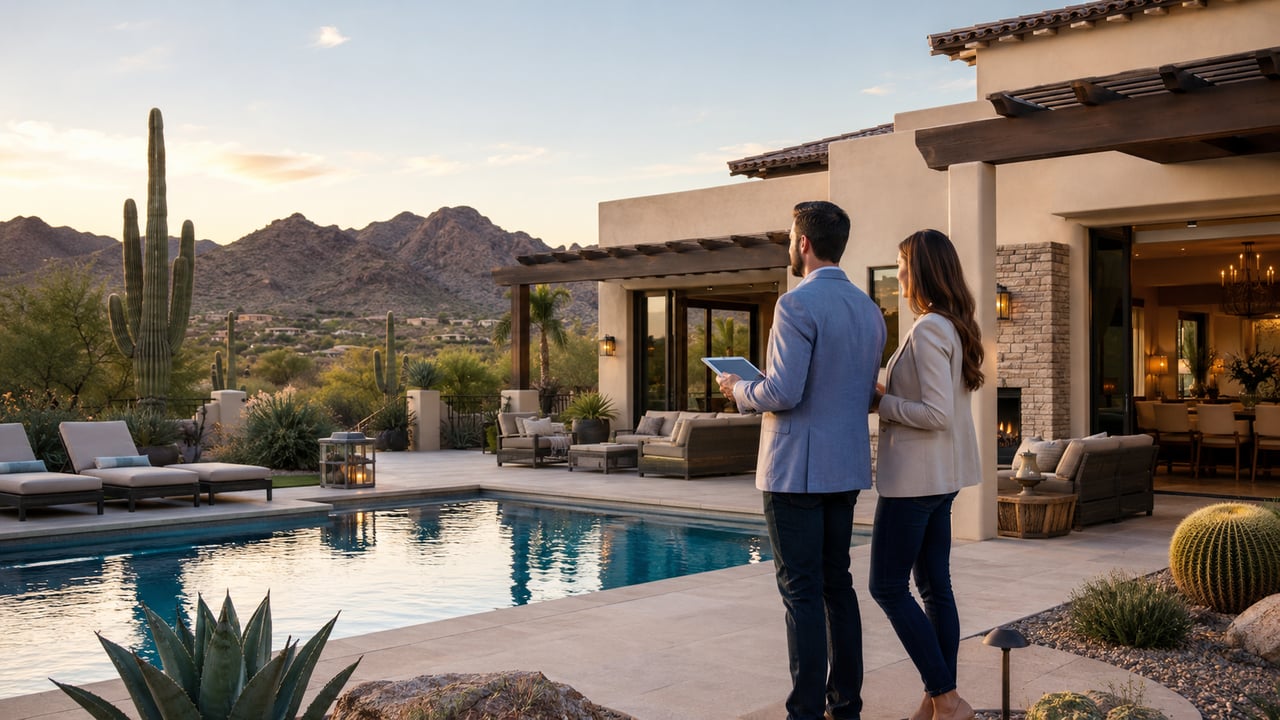
Many people first discover the Phoenix and Scottsdale lifestyle while visiting for Cactus League games. They experience the weather, the outdoor activities, and the vibrant dining and entertainment scene.
For some visitors, the experience sparks a question:
“What would it be like to live here?”
That curiosity often turns into serious consideration.
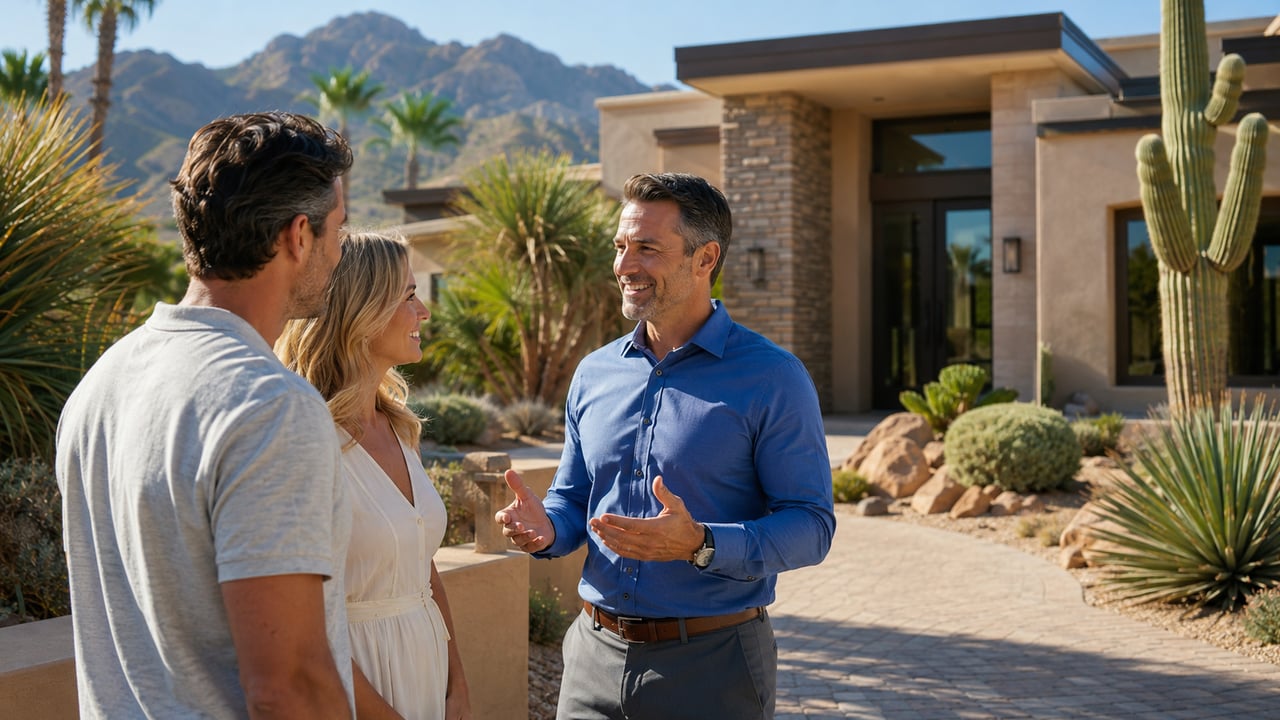
Over the years, countless homeowners have purchased vacation properties or second homes in Arizona after visiting during spring training season. Others decide to relocate entirely, trading colder climates for year-round sunshine.
This steady influx of new residents and seasonal homeowners has helped support the long-term strength of the region’s real estate market.
Demand for homes in Scottsdale, Paradise Valley, North Phoenix, and surrounding communities continues to remain strong because the area offers something that many parts of the country cannot replicate: a combination of lifestyle, climate, and economic opportunity.
Spring training serves as a powerful introduction to that lifestyle.
Why Real Estate in Greater Phoenix Remains a Strong Investment
While events like spring training create seasonal excitement, the larger story is about the long-term resilience of the Phoenix housing market.
The region has continued to attract new residents from across the United States for several reasons:
• A desirable climate and outdoor lifestyle
• A growing and diversified economy
• Access to world-class golf, hiking, and entertainment
• A vibrant restaurant and cultural scene
• Relatively affordable luxury housing compared to many coastal markets
These factors have helped sustain demand for real estate across the Valley.
Communities like Scottsdale, Paradise Valley, Cave Creek, and North Phoenix offer a wide range of housing—from luxury estates and golf course homes to lock-and-leave seasonal properties that are perfect for part-time residents.
For many homeowners, purchasing property here becomes both a lifestyle decision and a long-term investment.
Events like the Cactus League reinforce the region’s national appeal. When visitors experience the Valley firsthand, they begin to see the value of owning property in a place where people genuinely want to spend time.
The Bigger Picture: A Lifestyle That Keeps People Coming Back
Spring training in Arizona is about more than baseball.
It’s about the feeling people get when they spend time here.
The easy pace of a desert afternoon.
The sound of a bat cracking against a baseball.
The smell of freshly cut grass and ballpark food.
The warm sun overhead in early spring.
It’s the experience of being outdoors, surrounded by beautiful desert landscapes, enjoying a game that connects generations.
For longtime residents, the Cactus League is simply part of life in the Valley.
For visitors, it’s often the beginning of something bigger.
Many who come here for baseball eventually return for golf, hiking, dining, and—ultimately—homeownership.
Conclusion: Discover the Lifestyle That Makes the Valley So Special
The Cactus League spring training season is one of the many reasons people fall in love with the Greater Phoenix area.
It showcases everything that makes this region unique: sunshine, outdoor living, world-class sports, and a welcoming community filled with people from across the country.
For those considering buying or selling a home in Scottsdale or the surrounding areas, understanding the lifestyle and long-term demand for the region is essential.
And that’s where experience matters.
Jeff Barchi has spent decades helping buyers and sellers navigate the Scottsdale and Greater Phoenix real estate market. With deep local knowledge, expert negotiation skills, and a commitment to personalized service, he helps his clients make confident real estate decisions.
Whether you're relocating, purchasing a seasonal home, or preparing to sell your property, Jeff provides the insight and guidance you need.
📞 Call or text Jeff Barchi today at 602-558-5200 to discuss your real estate goals and learn more about opportunities in the Scottsdale and Greater Phoenix market.
Because sometimes a visit for spring training is just the beginning of discovering the place you’ll want to call home.